Part of the Wanderlust Museum Guide feature: Nothing Like NOLA
After a brief hiatus, we are back!
Apologies for the delay in writing -I’ve been traveling and exploring and will have a whole host of new content coming your way shortly! Meanwhile, back to our regularly scheduled programming.
( This is the second in our Wanderlust Museum Guide for New Orleans, which will guide you through some of the hidden gems of New Orleans museums! If you haven’t seen our first piece on the New Orleans Pharmacy Museum, click here! )
One of the first things you might think of when you think of New Orleans is Mardi Gras. Easily one of the largest celebrations of the Christian Fat Tuesday celebrated in the country, Mardi Gras has become synonymous with nonstop parties, crazy costumes, and beads, beads, beads.
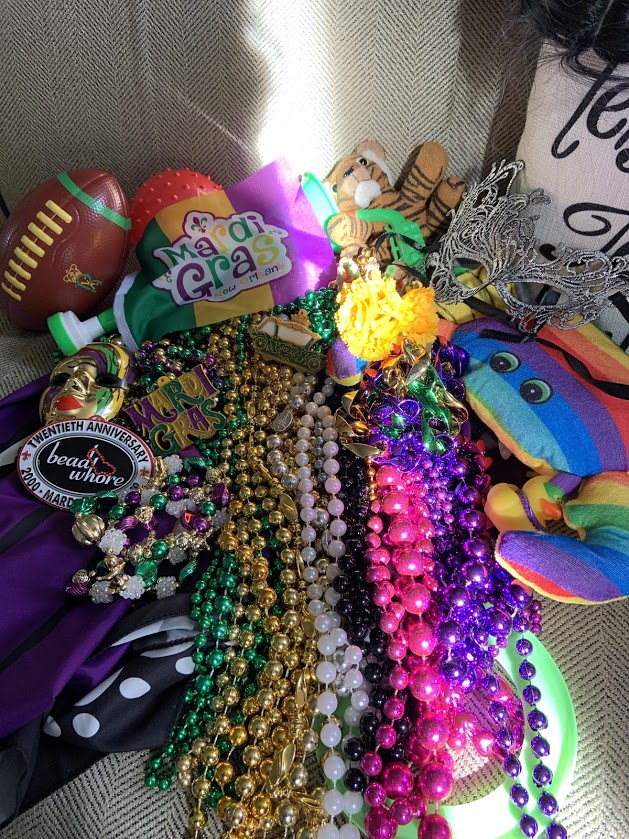
All About the Beads!
But there is a lot more to Mardi Gras than endless parties and sleepless nights. In New Orleans, it is not only a great celebration, but also an important cultural celebration.
If you know nothing about the history of Mardi Gras, here’s a crash course: Mardi Gras varies in length, but many iterations start around the Twelfth Day of Christmas (No Drummers Drumming in this narrative) and go until the Tuesday before Lent, typically known as Fat Tuesday. In preparation for the Lenten season, Christians would feast before fasting on Ash Wednesday. While originally for Christians, many areas expanded and adopted the tradition to include festivities with their friends and neighbors.
While not strictly French, these celebrations today tend to stem from former French colonies such as Louisiana, Alabama, Missouri, Mississippi and more. The origins of Mardi Gras in the United States are a bit vague, but the first organized celebration of Mardi Gras as we know it today was in Mobile, Alabama in 1703. After New Orleans became the capital of Louisiana in 1723, the first recorded Mardi Gras parade there took place in 1837.
There are many different elements to Mardi Gras parades, but at their hearts are the Krewes. Originally formed along social and racial lines, krewes form parades and celebrations in and around the season of Mardi Gras. One of the first parade krewes was the “Cowbellion de Rakin Society”, largely considered the first fully masked and organized krewe and parade in the United States. An unusual sight, they still parade through New Orleans each year with their traditional materials: rakes, hoes, paper mache animal heads, and cowbells.
Today there are traditional krewes such as the Krewe of Rex, and the Zulu Pleasure and Aid Society – two of the oldest krewes in existence. There are also 3 superkrewes (Bacchus, Endymion, and Orpheus) typically operated with much more lavish floats and celebrity guests.
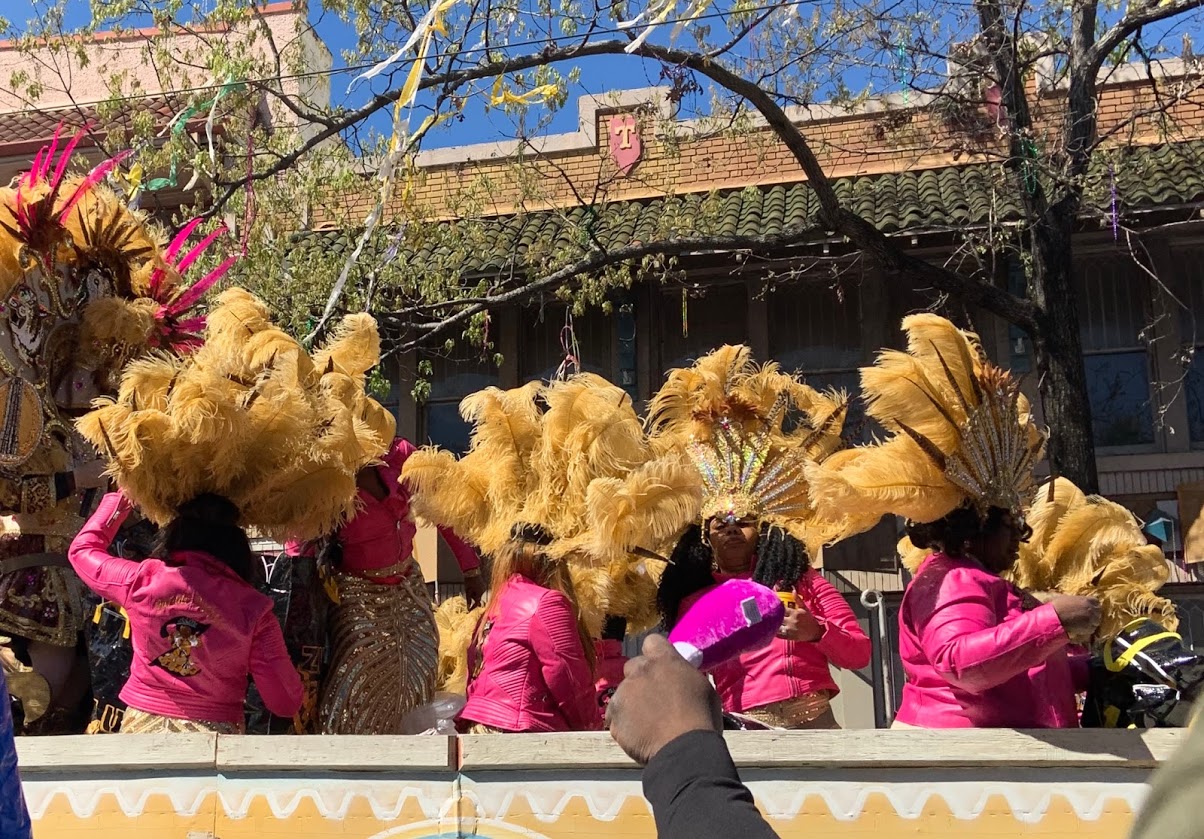
But what is a krewe today? It is a community, a family that celebrates the Mardi Gras season each year together. Most preparations begin at the end of the previous year’s festivities! And these communities share their story at the Mardi Gras Museum of Costumes and Culture.
Once you step inside, you know this is a community museum. The legacy behind the the krewes and walking clubs, the work that goes into the parades and the communities that rally together for celebrations each year all are featured here. The museum’s collection is mostly made up from pieces from Carl Mack’s (the Xylophone Man) private collection. He started as a busker, a street performer, and worked his way up to be a major figure in entertainment. He created the museum to honor all the stories behind Mardi Gras.
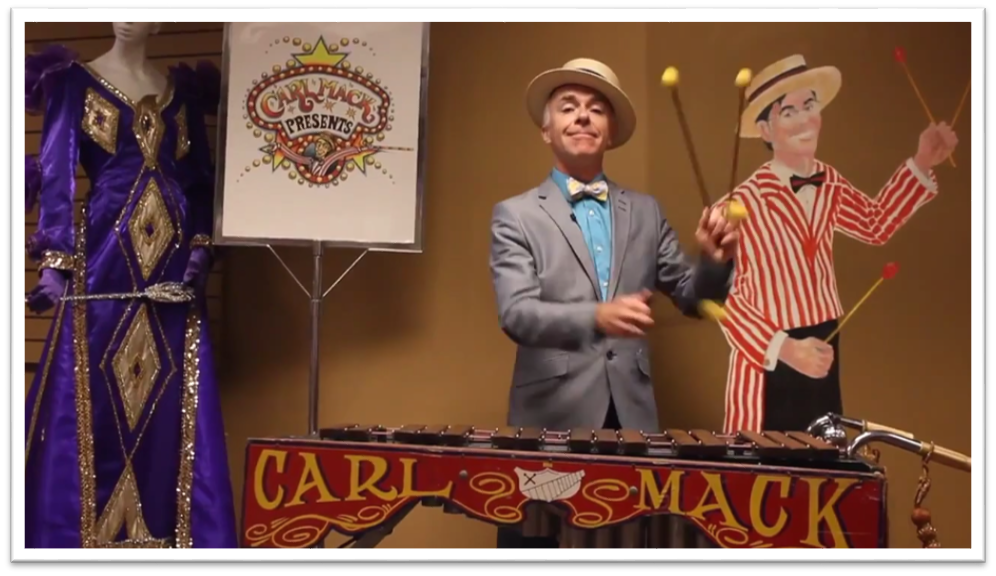
I have been to this museum two times, and each time is a treat. Not only do you learn the history behind some of the more legendary parts of the Mardi Gras Traditions (such as the Mardi Gras Indians), but you also get to see the artistry that goes into each costume, and truly appreciate the work involved.
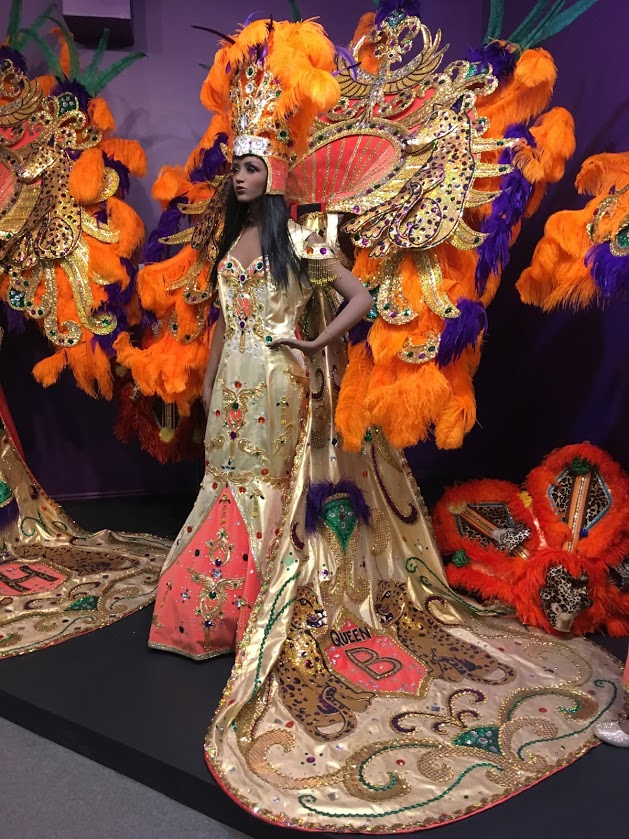
Inside the museum there are works of art in costume form that are from different walking krewes, Mardi Gras Indian suits, and more. They have temporary exhibits too, such as one related to the Dames de Perlage, a Social Aid and Pleasure Club whose members are required to hand bead a bustier and headdress for each Mardi Gras season. (See photo below- it’s amazing work!)

The museum also includes snippets of two documentaries related to the history of Mardi Gras in New Orleans. The first, “Bury The Hatchet”, focuses on three Big Chiefs of the Mardi Gras Indians, descendants of runaway slaves who were taken in by the Native Americans living in the bayous of Louisiana. Today, instead of being plagued by inter tribal warfare that used to consume them, they meet and parade over who has the prettiest feather suit.(Truly a fascinating history, that deserves its own blog post, don’t you think?)
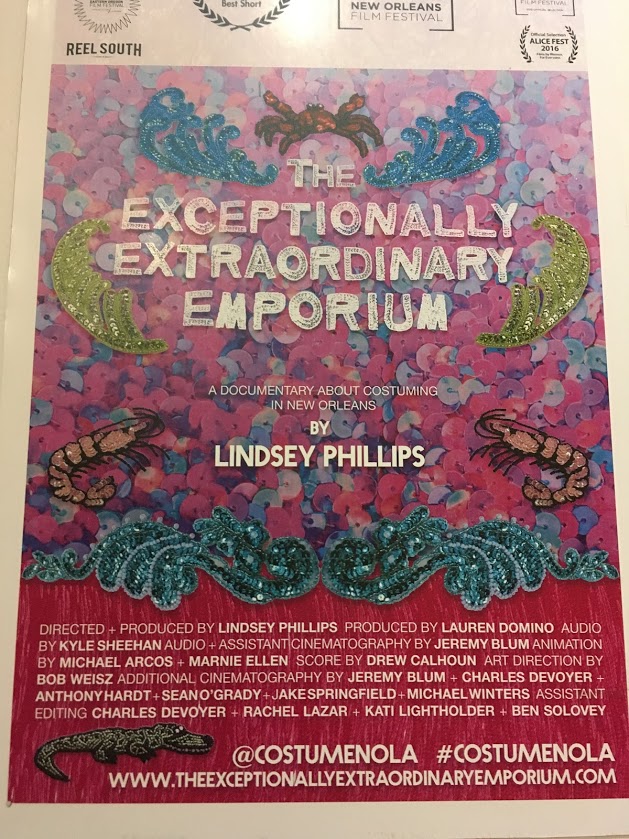
The second is all about the Jefferson Variety Store, a store that is a go-to destination when it comes to Mardi Gras! The documentary that details the behind the scenes work is called “The Exceptionally Extraordinary Emporium,” and once viewing it you can see why! This family owned shop has everything a Mardi Gras performer might need- from throws to beads to small bits of fabric for juuuust the right look.
The Mardi Gras Museum of Costumes and Culture shares such incredible stories of the community that revolves around Mardi Gras that it is hard to not get excited about it. A perfect place to see the dedication that goes into Mardi Gras, this is definitely not a place to miss!
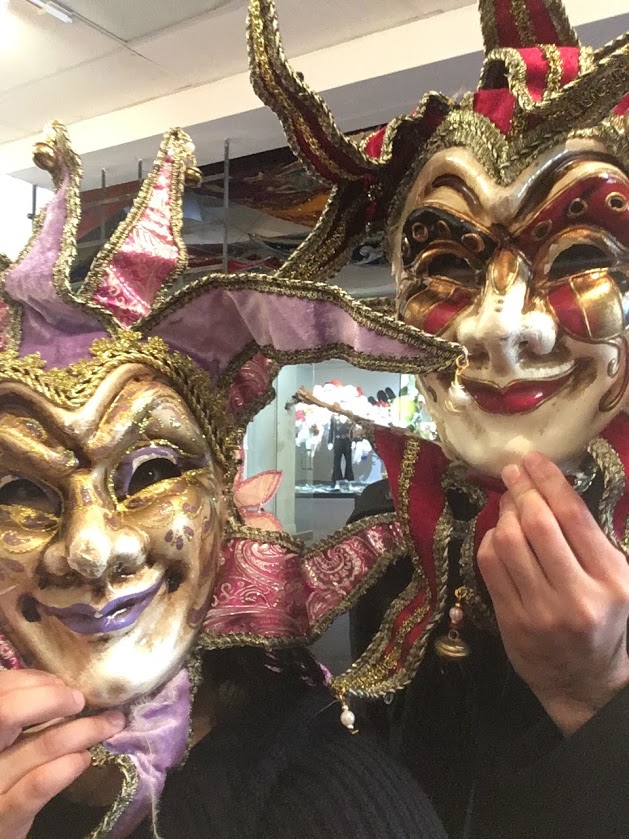
PS: Did I forget to mention the awesome Costume Closet?? Plan on spending at least 30 minutes taking photos in this area, supplied with real Mardi Gras costumes!
Important Info For the Mardi Gras Museum of Costume and Culture:
Hours: Monday- Saturday 10am-5pm (Check for holiday hours, especially around Mardi Gras!)
Location: 1010 Conti Street (about 2 blocks from Pat O’Briens)
Price: General Admission $12, Admission with Tour is $15 and start at 11am and 3pm.
Need more info? Email the museum staff! They’re very friendly. info@themardigrasmuseum.com
#MuseumGalTip: This museum also does walking tours! Check out their calendar for more information!
Stay Tuned for more Adventures n New Orleans!
 The Museum Gal